Resilience
Resilience: Rebuilding After the Shock
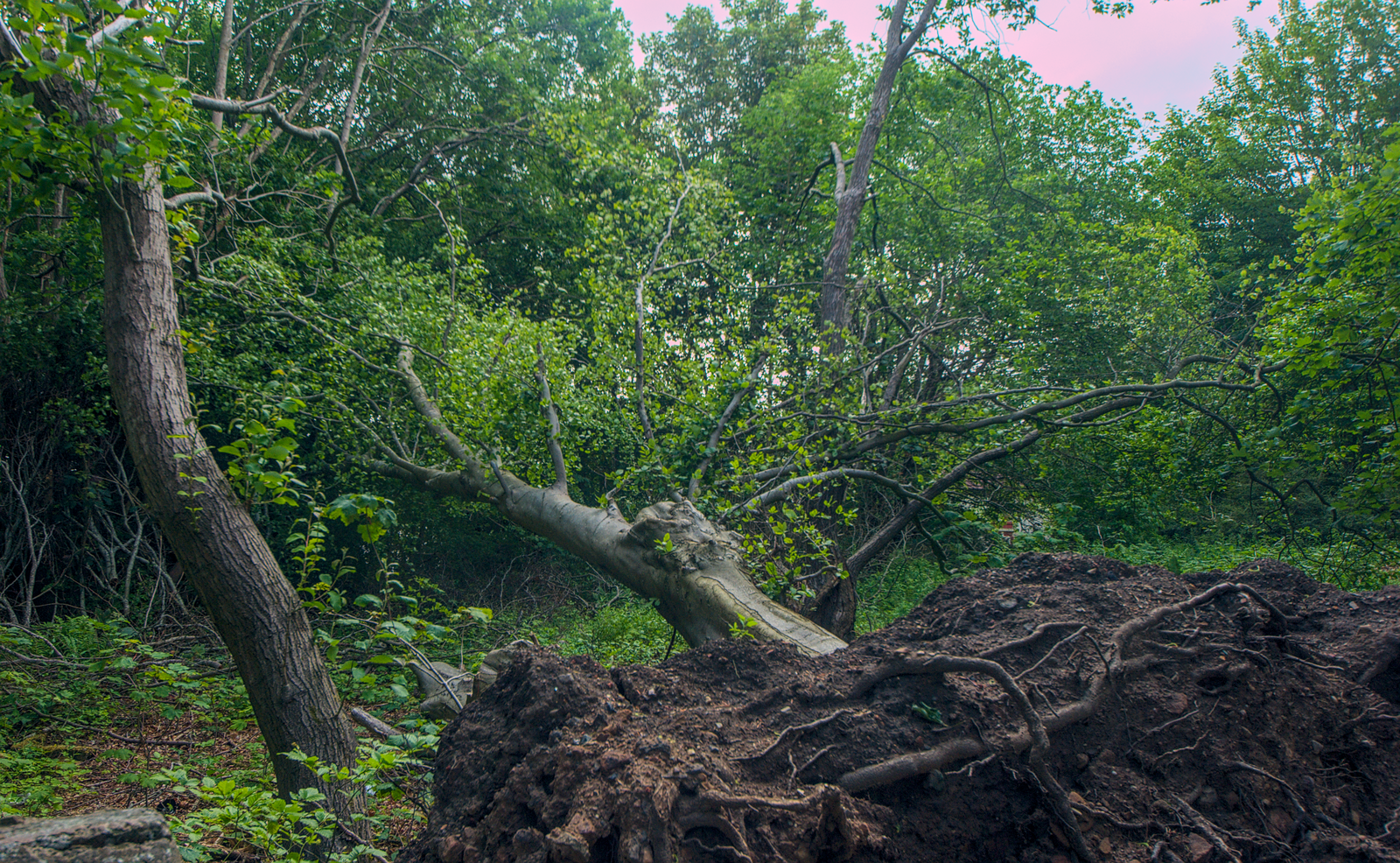
Finding traction when life refuses to go back to normal.
Resilience is not a personality trait or a badge of honour. It is a process: the ongoing work of returning to movement after impact.
Some people call it strength. Others call it recovery. Most of the time, it is simply a series of small choices made when stopping would be easier. The myth is that resilient people bounce back. In truth, most of us rebuild slowly, awkwardly, and in directions we did not plan.
When something breaks — health, work, relationships, confidence — the first impulse is often to get back to “how things were.” That is rarely possible, and not always worth pursuing. The point may not be to restore the old structure, but to build something that fits who you have become.
Crisis changes priorities. It strips away decorative layers, polite pretences of control, and inherited assumptions about what life should look like. What remains is the harder question: what still matters enough to carry forward?
In therapy, people often look for techniques to “cope,” as if resilience were a skill to master. Techniques can help, but they are rarely the whole answer. What many people need first is permission to re-imagine themselves.
Once old roles and routines fall away, space opens for new meaning to take shape. Sometimes that begins with nothing dramatic: getting out of bed, making tea, replying to a message, taking a walk. Small acts of self-respect accumulate into momentum.
The nervous system has a memory for threat. It does not forget overnight that something went wrong. Recovery is not a single event; it is repetition, teaching the body that safety can return.
Each time you steady your breath, complete a task, ask for help, or face something you had been avoiding, you prove to yourself that capacity has not vanished. That is the quiet, unfashionable side of resilience: less grit, more patience.
Eventually the story can shift from survival to direction. You begin to ask: what kind of life do I want now?
That is when resilience becomes creative. It is no longer only about endurance, but expression: using what happened as raw material for a different shape of living. Not all scars need polishing. Some simply remind you that you are still here, still building.
Resilience is not heroic. It is ordinary courage repeated quietly until it changes who you are.