About Ian Robertson
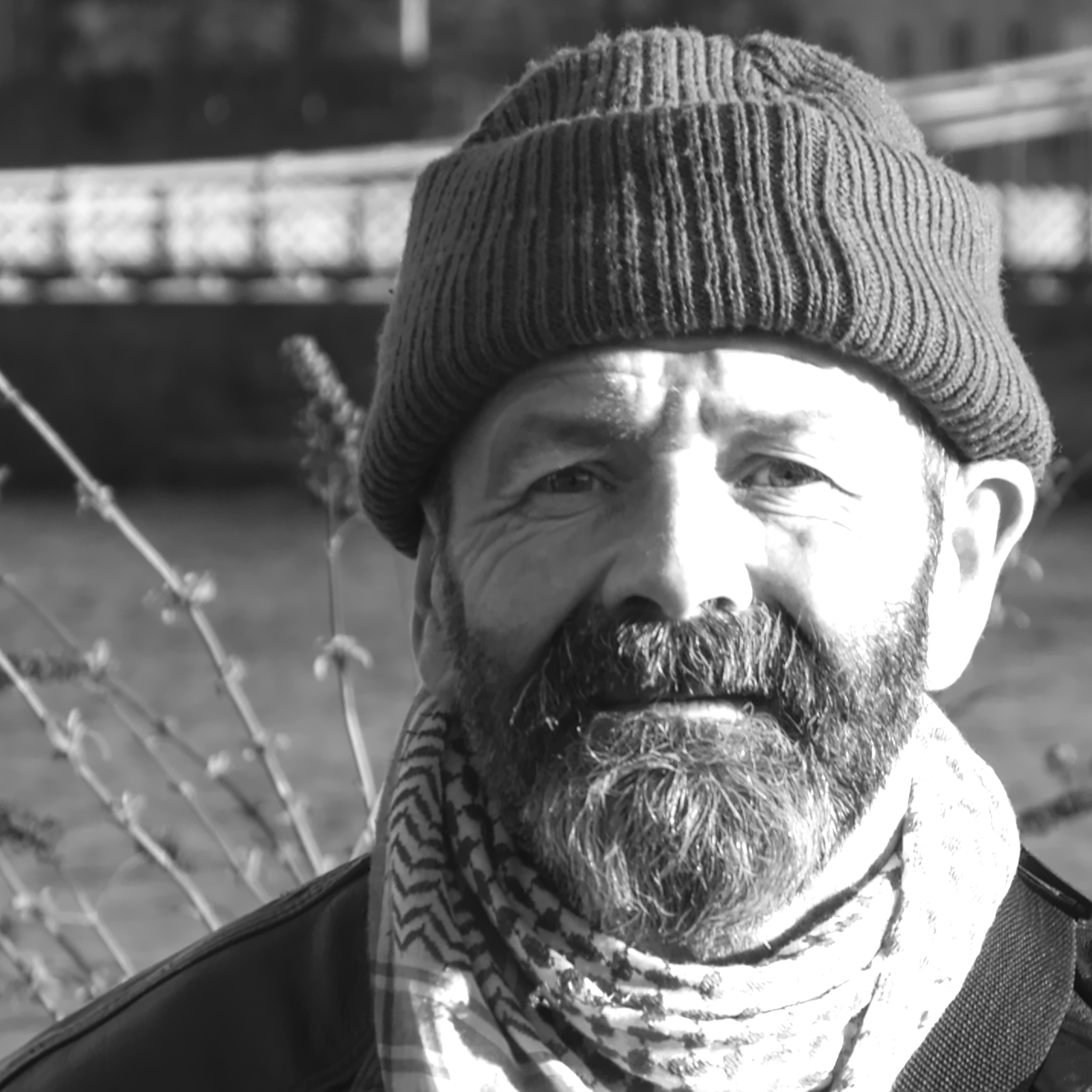
Most of the people I work with are not in crisis. They are functioning, often functioning well. But there is sand in the vaseline. Something that keeps repeating: a habit they understand but cannot stop, anxiety that runs in the background regardless of circumstances, confidence that disappears precisely when they need it, a nervous system that has forgotten how to settle.
They have usually tried to think their way out of it. Sometimes they have read about it, talked about it, understood it thoroughly. It has not shifted. That gap between knowing and changing is where this work begins.
I am Ian Robertson. I offer online hypnotherapy and cognitive behavioural work for people who want structured, privacy-conscious support for changing patterns of thought, feeling, behaviour, and response.
Why I Do This Work

In mid-2005 I was diagnosed with stage 3, grade 3 non-Hodgkin lymphoma and went through chemotherapy, radiotherapy, and a stem cell transplant. I had been practising Ashtanga vinyasa yoga for two decades by then. Patience, breath, persistence, the long discipline of small changes: those lessons had already become a practice. Now they became necessary.
Cancer treatment changes more than it is polite to say. Some of the changes are physical and lasting. Learning to live honestly within an altered body became part of my own therapeutic education. That meant letting go of what was gone, finding what remained, and reducing the shame that tends to collect around both.
I had smoked since my teens, over thirty years in total. Stopping was not a single decision or an act of willpower. In yogic terms, the klesha had burnt out: the affliction that had fuelled the habit simply exhausted itself, and what remained was the loop without the fire underneath it. That is when it became possible to step out of it. I know from the inside what it takes for a pattern to loosen, and why understanding alone is rarely enough.
Alongside a long career in software and systems, I retrained in hypnotherapy and cognitive behavioural work. The same principles apply in both: clarity, structure, respect for privacy, and the understanding that stable systems, whether technical or human, are built through careful, deliberate change.
Identity, Shame, and Self-Acceptance
Some of the patterns I work with involve shame and self-doubt around identity: who people are, how they experience themselves, and the gap between that and who they feel permitted to be. I have done my own work in this area. It qualifies rather than disqualifies. The practitioner who has not worked on their own patterns is a less useful guide to working on yours.
I am not neutral on the question of whether shame is useful. It rarely is. Nor am I indifferent to the effort it takes to stop managing yourself for other people’s comfort.
Who This Work Suits
The right people tend to recognise this place when they find it. They need a catalyst, not a magician. They are not looking for someone to fix them. They want structured support for doing the work themselves: understanding what keeps the pattern going, and practising something different until it shifts.
This work tends to suit people who are reflective by nature, who have already spent time trying to understand their own patterns and want help to actually change them. It suits people who prefer directness to reassurance, and who take privacy seriously.
It also suits people navigating significant change: illness, loss, an altered sense of self, or a life that no longer fits the person they have become.
It is probably not the right fit if you are looking for a warm, conversational approach with an emphasis on emotional support week to week, or to locate wealth stashed in a past life.
It is also not suited to acute mental health crises, psychosis, or situations requiring psychiatric care. If that is where you are, I will say so and help you find more appropriate support.
From Systems to Minds

I have worked for many years in software and systems, building things that need to be stable, reliable, and understandable. Over time I noticed that the same principles that hold good systems together can also help people find steadiness in themselves. Both depend on structure, feedback, privacy, and small deliberate changes.
Earlier in life I spent two decades studying and practising Ashtanga vinyasa yoga, including several years under Yogaratna BNS Iyengar at Parakala Mutt in Mysore. Although I did not return to a regular asana practice after chemotherapy, that training continues to inform my emphasis on breath, attention, discipline, and steady change.
Training and Qualifications

I hold a Diploma in Cognitive Behavioural Hypnotherapy from the UK College of Hypnosis & Hypnotherapy and am insured to practise. My wider academic background includes a BSc (Hons) in Civil Engineering from the University of Edinburgh and a Postgraduate Diploma in Software Technology from Edinburgh Napier University.
The therapeutic work itself remains grounded in structured hypnotherapy and cognitive behavioural methods.
The Transcendence Approach
Transcendence brings together hypnotherapy, cognitive behavioural methods, and structured reflection. It is not about performance, stage ideas, or mysticism. It is about awareness and practice: learning how thought, feeling, behaviour, and habit influence each other, then changing them with intention.
- Notice what is happening instead of what you expect.
- See what repeats and how it continues.
- Change one small thing and observe what follows.
The aim is practical self-understanding, free of mysticism and unnecessary noise.
Why Transcendence Exists

In yogic philosophy, samskara refers to the deep grooves worn into the mind by repeated thought, feeling, and action. The more a pattern runs, the more automatic it becomes. Suffering, in this framing, is largely a matter of patterns running on their own momentum, long after the original conditions that created them have passed.
That is also, broadly, what cognitive behavioural and hypnotherapy models describe: loops that are maintained not by current circumstances but by the structures laid down in response to earlier ones.
Transcendence exists to offer structured support for climbing out of those grooves. Not through sudden transformation, but through a gentle awakening: noticing, choosing differently, and beginning again. Small changes, made carefully, until the pattern loses its grip.
The platform is built around privacy and user control because that is what the work requires: a contained space, free from noise and unnecessary intrusion, where reflection can actually happen.
Try the Resilience Readiness Quiz
“ Stability is not luck. It is design, practice, and persistence.